
Promising Markets For Potatoes
Overview
Potatoes are one of the most widely traded staple food products in international markets, with strong demand for both fresh consumption and processed products such as frozen fries and chips. Potatoes represent a large share of global agricultural trade in volume terms and are essential for food security and the food processing industry.
Lebanon already exports a range of fresh fruits and vegetables, including potatoes, and benefits from experience in handling bulk agricultural products. This creates opportunities to strengthen its position in regional markets and expand exports further. However, as potatoes are a highly competitive and price-sensitive product, success depends on efficiency, quality consistency and market targeting.
This report provides an overview of Lebanon’s current potato export position, global market trends, and the opportunities available to expand exports, with the aim of supporting Lebanese exporters in identifying the most promising markets.
Product Definition
Lebanese potatoes are mainly produced for fresh consumption, but there is also potential to supply processing industries depending on quality specifications.
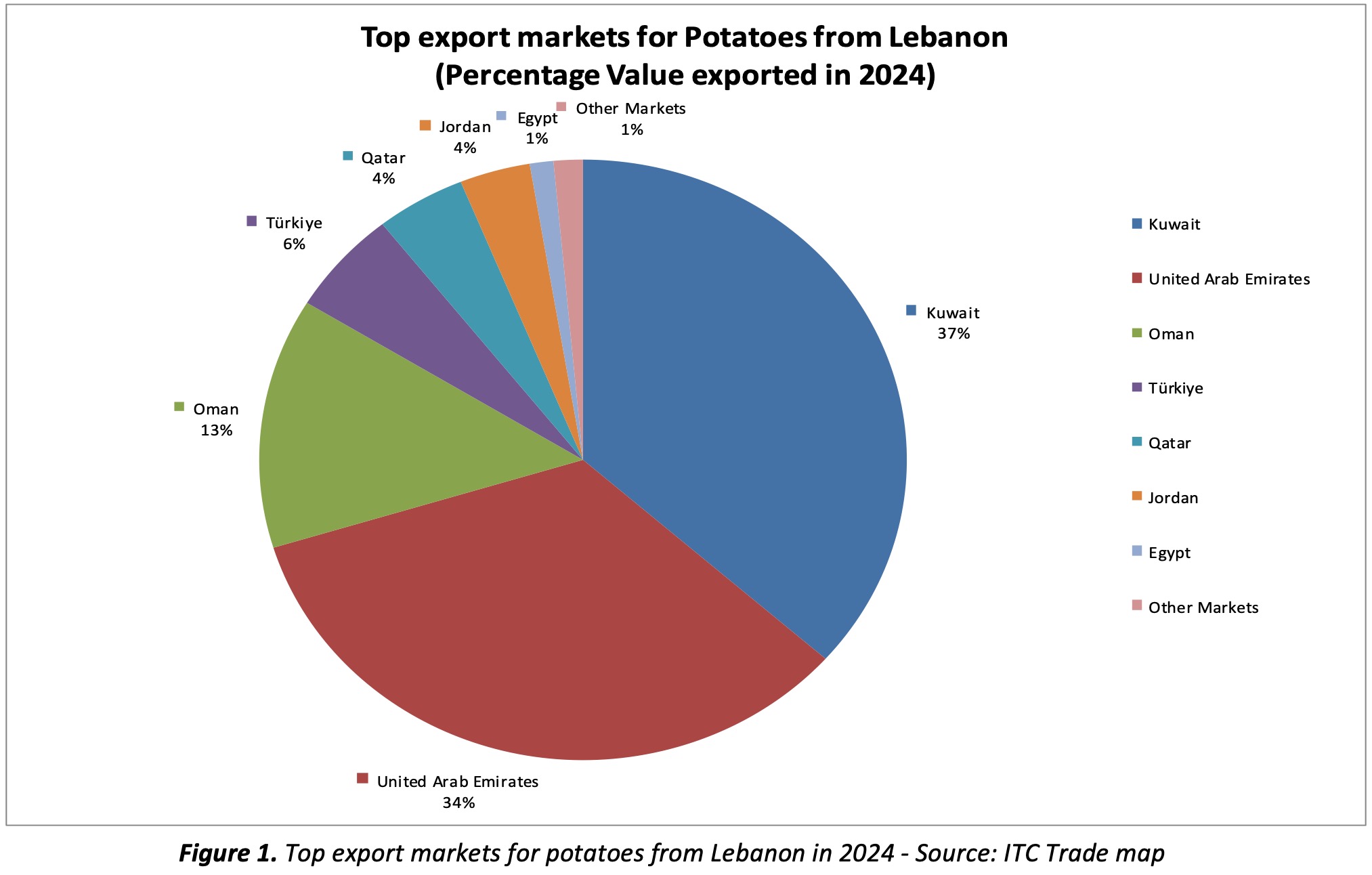
Where do lebanese potatoes currently go to?
Figure 1. Top export markets for potatoes from Lebanon in 2024 - Source: ITC Trade map
What is lebanon’s position in the international market?
By comparison, Lebanon remains a small exporter in global potato trade. Its export volumes are limited relative to major suppliers. Lebanon’s potato exports over the 2020–2024 period showed moderate growth but remain relatively small compared with major global exporters. This indicates that while potatoes are an established export product, there is still significant potential to improve performance through better market positioning and stronger competitiveness.
Largest Potato Producers
The largest exporters of potatoes worldwide are concentrated in Europe. These countries benefit from high productivity, strong logistics and infrastructure and Integrated processing industries. Their dominance makes the market highly competitive and difficult for smaller exporters to penetrate, especially in large and mature markets.
Largest Potato Producers in the Middle Eastern region
Within the Mediterranean region, key exporters include countries such as Egypt, Israel and Cyprus. Compared with these suppliers, Lebanon’s exports are relatively small. This highlights the need for Lebanese exporters to focus on specific market niches or regional advantages, rather than competing directly with large-scale producers.
Lebanon operates within a multi-season production cycle, allowing it to supply potatoes during extended periods. Spring harvest extends from April to June and late/fall harvest running from October to December while major competitors—especially in Europe—have more concentrated harvest periods.
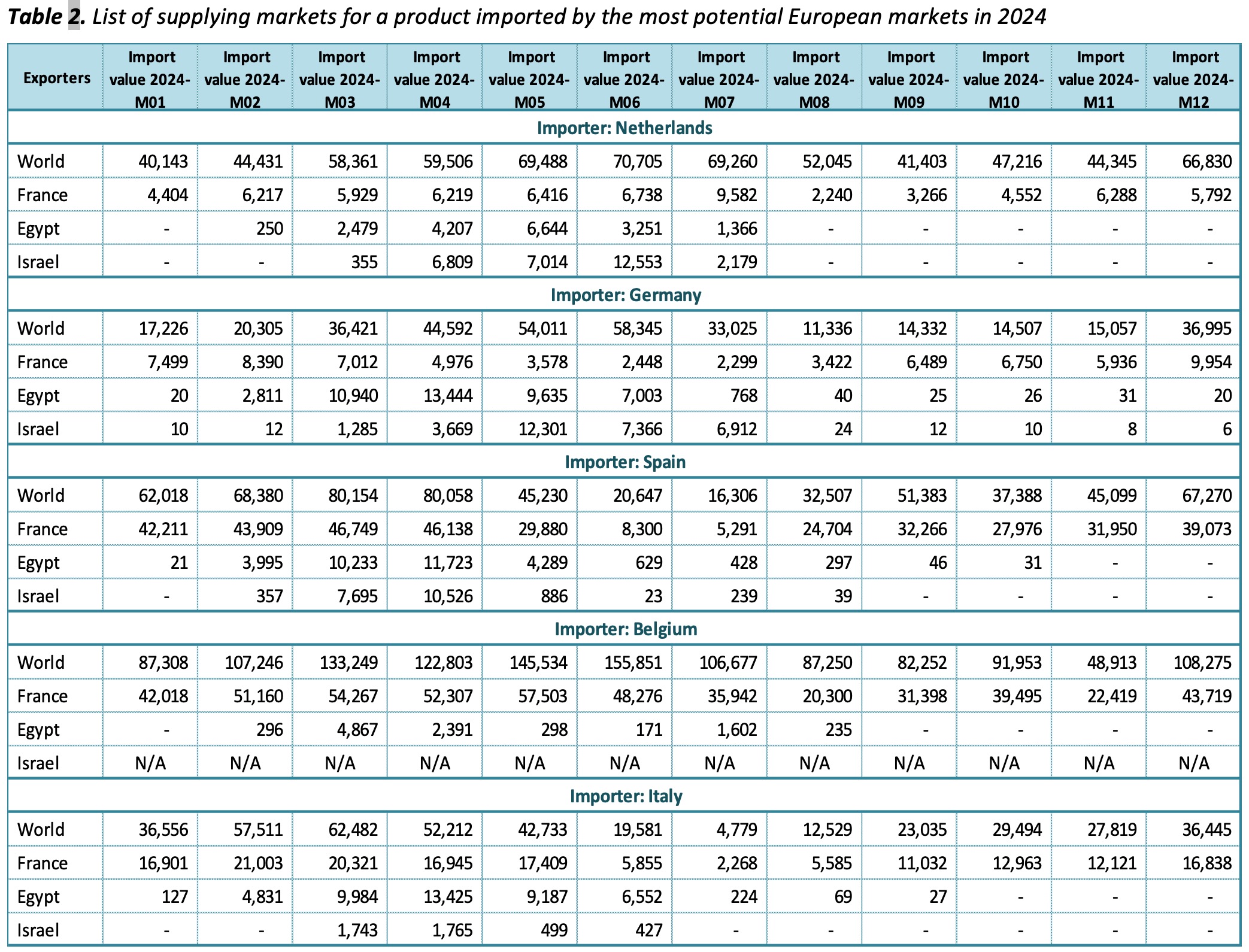
It competes with Egypt early in the season and Spain in late spring, while strong competition from Netherlands, France, Germany and Belgium occurs from August onwards. Egypt competes directly with Lebanon in early season.
The most competitive months are May–June and August–September, when supply is high. The best opportunities are in April and late July, when competition is lower.
Lebanon can supply potatoes earlier than many European producers (early spring window). It can also extend supply into late summer, depending on region and altitude
Figure 2. Leading exporters for Potatoes 2024 - Source: ITC Trade map
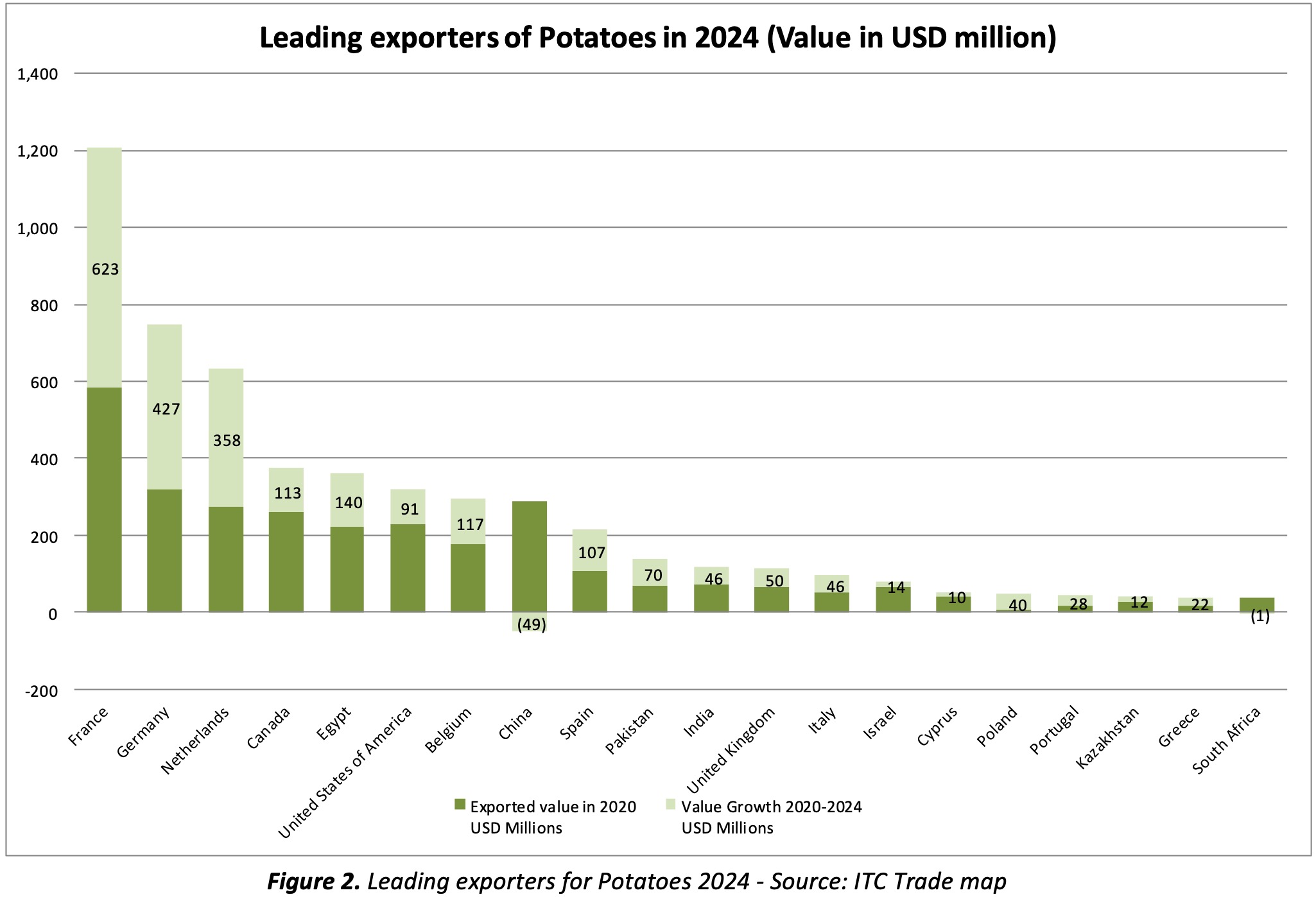
Table 1. Overview of potatoes harvest windows in the world’s leading production countries
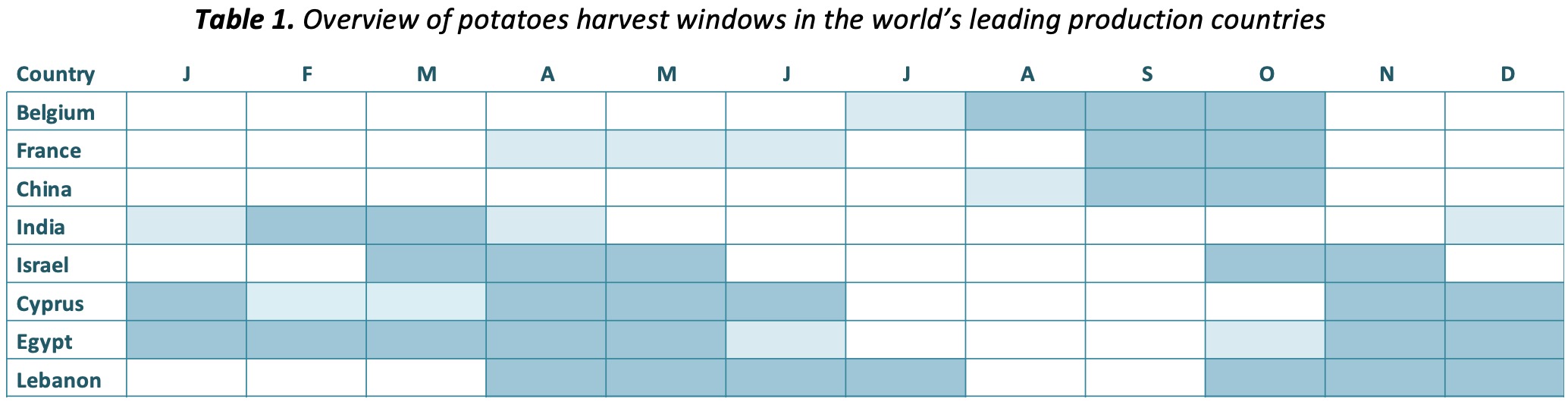
Table 2. List of supplying markets for a product imported by the most potential European markets in 2024
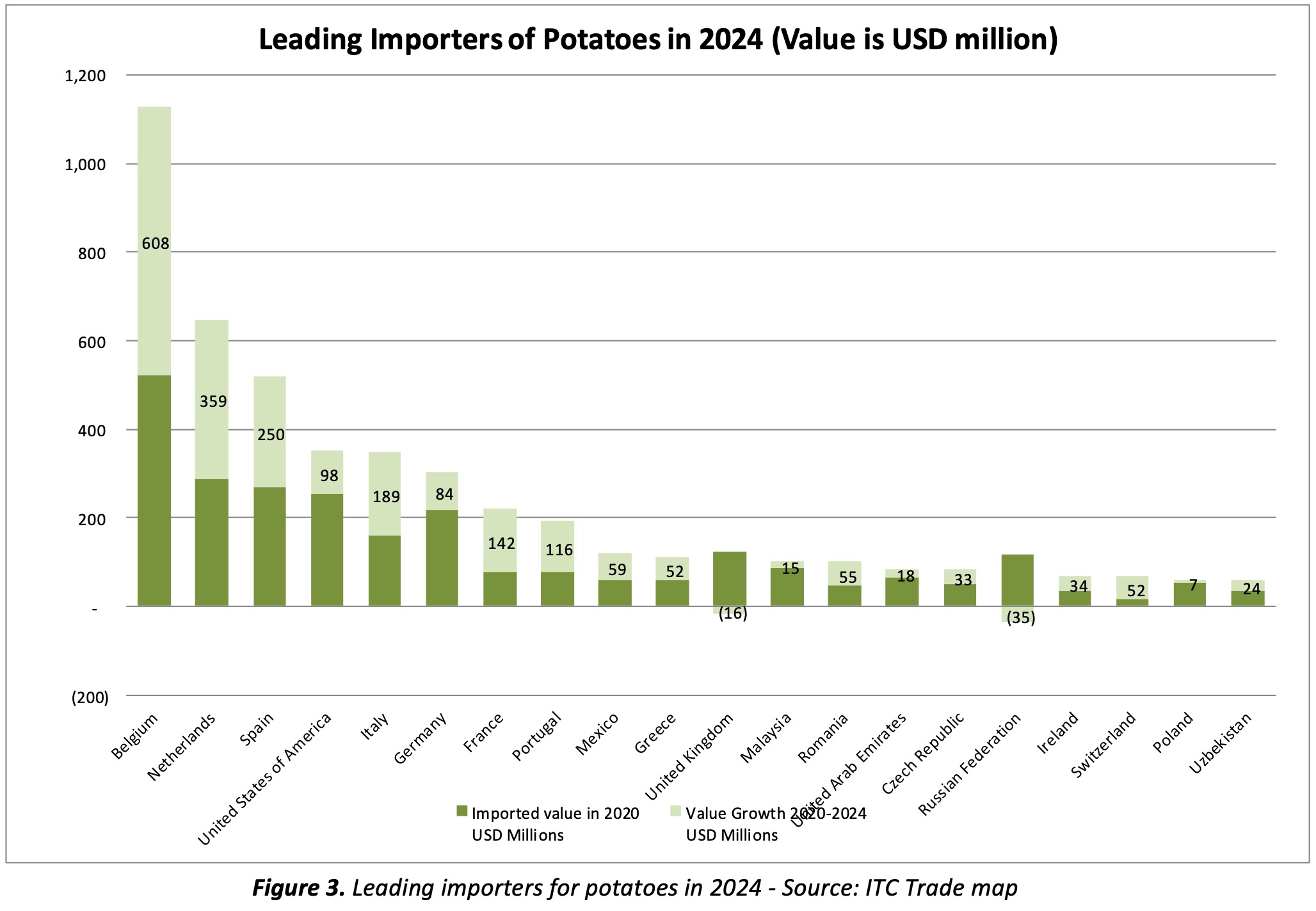
What are the trends in trade in the 20 largest importing countries?
For Lebanese exporters, this means that the largest markets are also the most competitive and dominated by established suppliers. As for the American continent, USA is the main importer of potatoes, followed by Mexico.
Figure 3. Leading importers for potatoes in 2024 - Source: ITC Trade map
WHAT ARE THE TRENDS IN TRADE IN THE EUROPEAN MARKET?
Between 2020 and 2024, European vegetable imports increased and reached record levels, but trade in fresh vegetables remained largely intra-European, accounting for 85% to 88% of total trade. This underlines the strong competitive position of European producers in the potato market. At the same time, import opportunities can emerge when adverse weather, lower harvests or seasonal supply gaps reduce local availability. For example, that Egypt benefited from lower production volumes in southern Europe and recorded strong export growth to Europe, including in potatoes.
For suppliers targeting the European potato market, market access depends on more than competitive pricing alone. Exporters must align supply with seasonal windows, identify periods of reduced European availability, and comply with strict buyer requirements concerning quality, food safety and pesticide residues. In a market where local supply is dominant and standards are high, successful trade depends on reliability, timing and full compliance with European regulations.
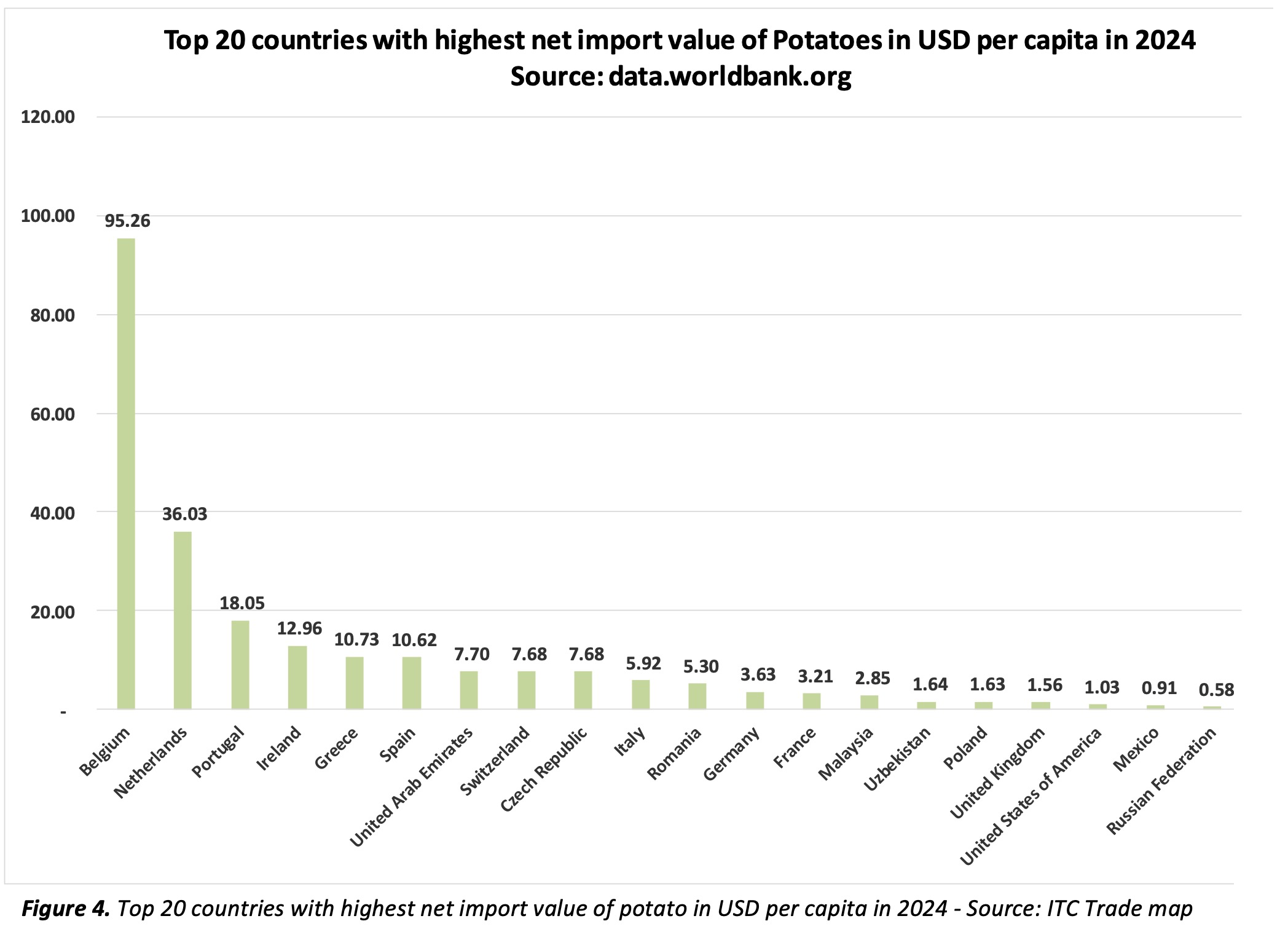
Figure 4 shows that Belgium, the Netherlands, Portugal and Ireland were the most import-intensive potato markets per capita in 2024. For exporters, this points to established import demand and potentially attractive trade opportunities. Meanwhile, markets such as Italy and the UAE, despite lower per capita import values, may offer room for future export growth.
Figure 4. Top 20 countries with highest net import value of potato in USD per capita in 2024 - Source: ITC Trade map
WHAT ARE THE TRENDS IN TRADE IN THE MIDDLE EASTERN MARKET?
These markets show growing demand linked to population and income growth dependence on imports and lower trade barriers compared with Europe. For Lebanese exporters, the GCC offers a more accessible and strategically important market.
A more realistic strategy is to focus on regional markets while building on existing trade relationships and gradually expanding into selected new markets.
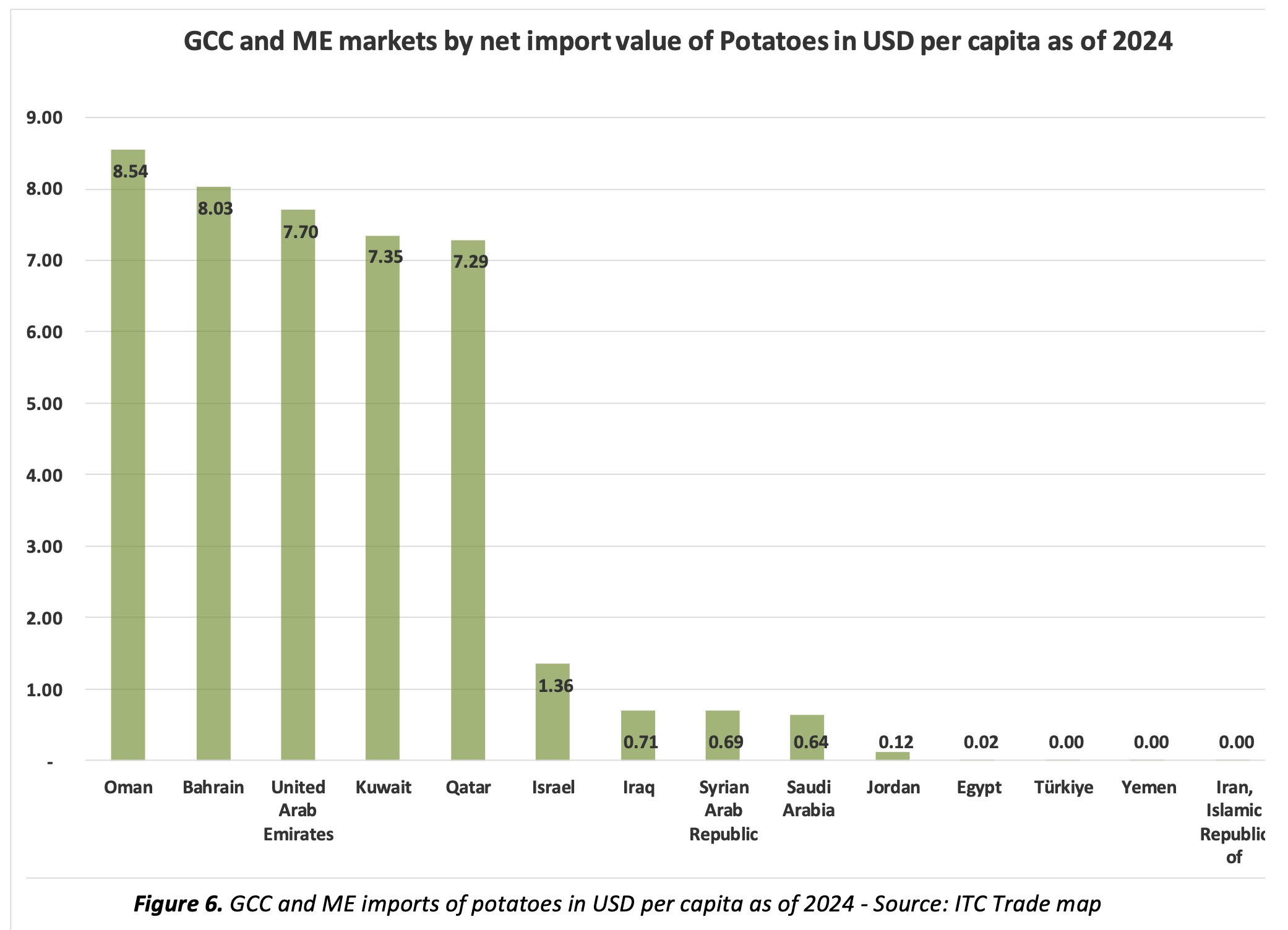
Figure 6 shows that Oman, Bahrain, the UAE, Kuwait and Qatar stand out as the most import-intensive potato markets per capita in 2024 in the Middle East. This particular market demand is largely driven by fresh consumption, the food service sector (restaurants and fast food) and increasing demand for processed products. This makes the region particularly relevant for exporters like Lebanon.
Figure 5. Imports of potatoes in Middle East in 2024 - Source: ITC Trade map
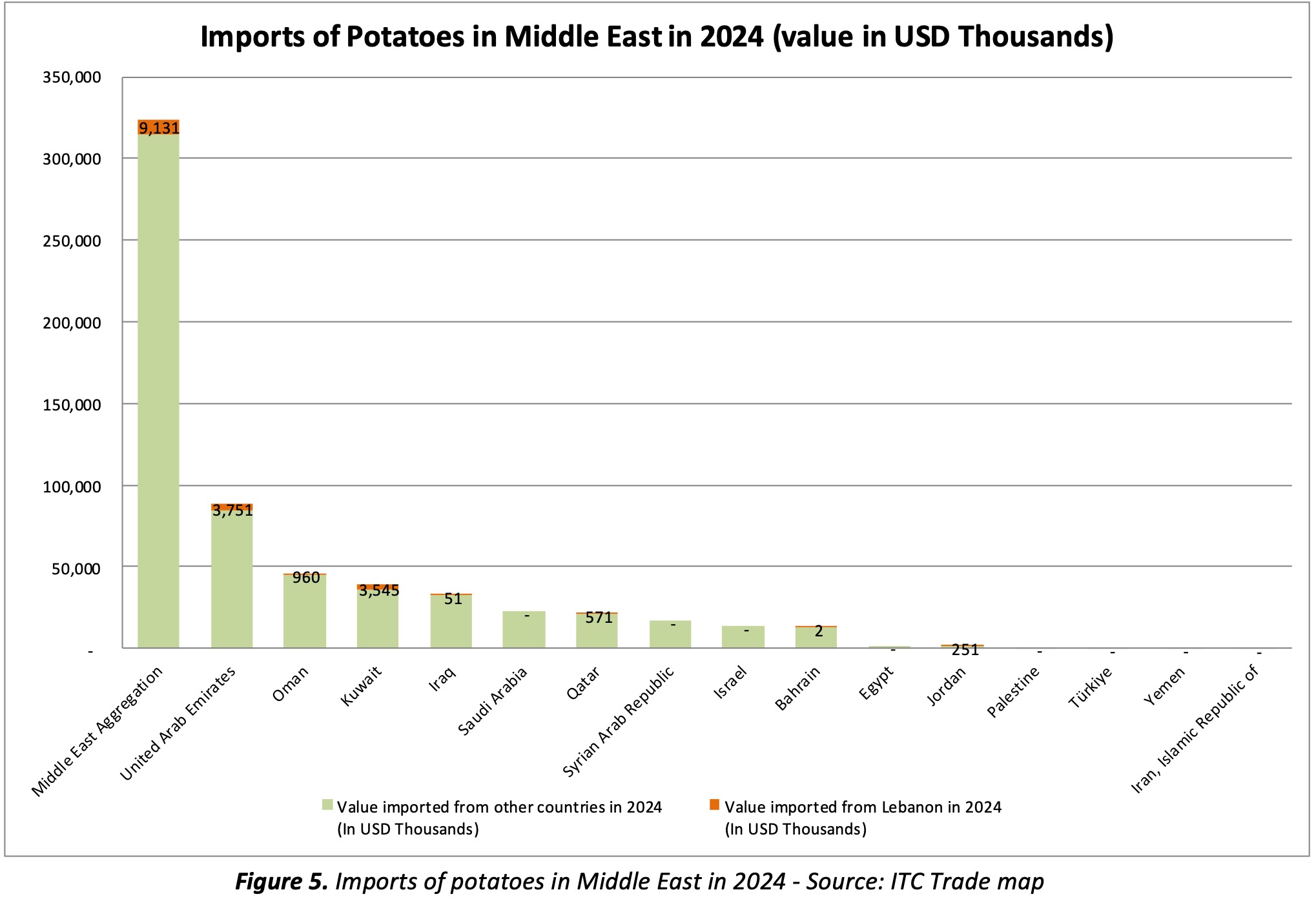
Figure 6. GCC and ME imports of potatoes in USD per capita as of 2024 - Source: ITC Trade map
What are interesting markets for the future?
In the medium term, selected European markets also offer strong potential, especially Germany, the Netherlands, Belgium and France. These markets are large and commercially attractive, but they are also more demanding. Entering them requires strong compliance with quality, phytosanitary and marketing standards, as well as the ability to compete with well-established suppliers.
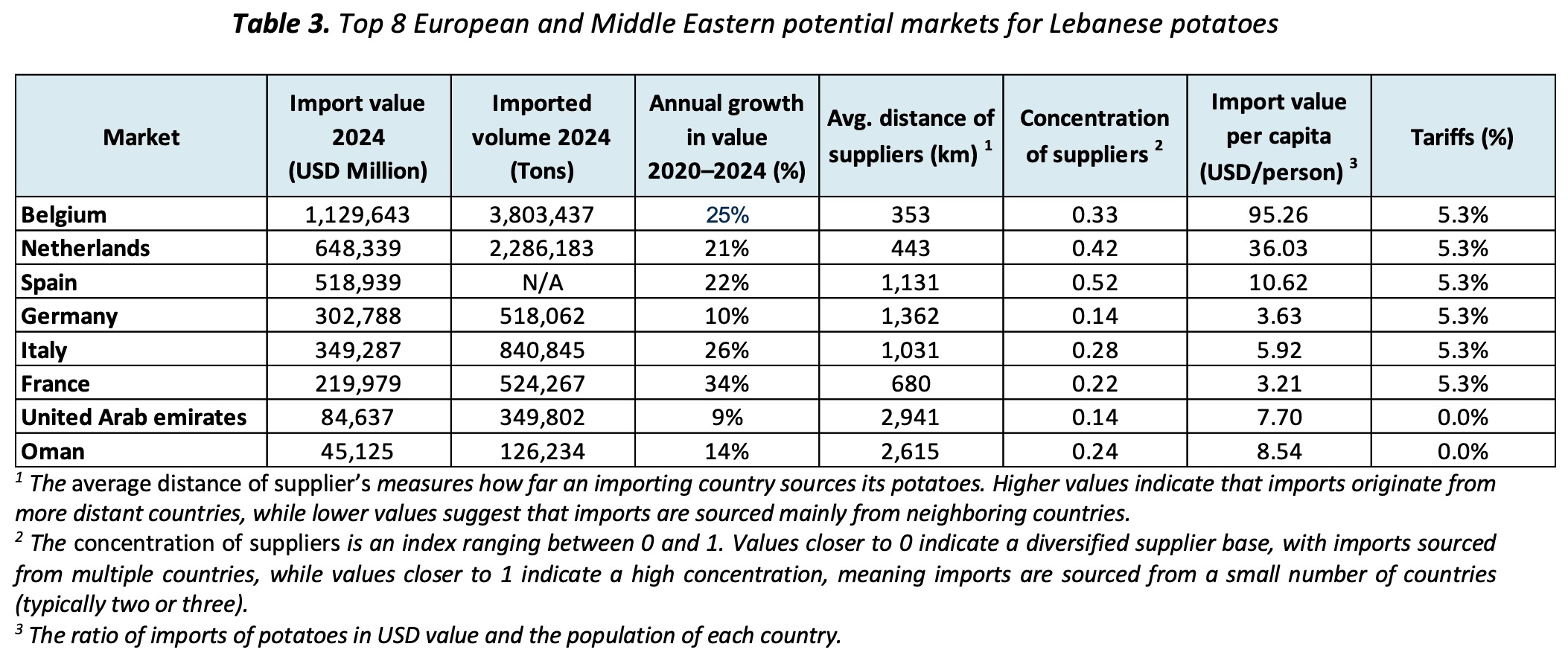
To identify the most promising export destinations for Lebanese potatoes, a market selection model was developed using a set of trade and market access indicators. These included global import demand, Lebanon’s current export performance and growth, tariff conditions compared with leading competitors, average distance of suppliers, supplier concentration, import trade windows, import value of potatoes in USD per capita, and other relevant factors.
Based on the analysis presented in Table 3, eight markets were identified as offering strong potential for Lebanese potato exports: Belgium, the Netherlands, Spain, Germany, Italy, France, the United Arab Emirates and Oman. These markets show growing potato imports, relatively attractive import value per capita, and sourcing patterns that are not limited to neighboring suppliers. This is an encouraging sign for Lebanon, as it suggests that buyers in these markets are open to diversified origins and may offer entry opportunities for competitive Lebanese exporters.
Table 3 below provides an overview of these priority markets and the main indicators used in the assessment.
Table 3. Top 8 European and Middle Eastern potential markets for Lebanese potatoes

Tips
- Seasonality is a key factor in the potato trade. Opportunities arise when major exporters are out of season and supply gaps appear in target markets. Lebanese exporters can gain an advantage by aligning production and shipment schedules with these windows and focusing on periods of lower competition.
- Market size alone is not enough; ease of entry also matters. Exporters should assess not only demand, but also how easy it is to enter and compete in each market. GCC markets generally offer easier access, with lower tariffs and fewer entry barriers, while the European Union is more demanding and requires strict compliance with quality, certification, traceability and food safety standards.
- Do not compete on price alone. Large suppliers dominate high-volume potato markets and usually benefit from economies of scale. Lebanese exporters should instead compete on reliability, good timing, consistent quality and the ability to supply buyers when the market needs additional volumes.
- Start with the UAE and Oman. These markets are more accessible than Europe and offer realistic short-term opportunities for Lebanese exporters. The UAE is especially attractive because it also serves as a regional trading hub, which can help exporters reach other Gulf markets through one importer or distributor.
- Prepare carefully before entering Europe. European buyers expect full compliance with phytosanitary requirements, food safety rules, traceability systems and product specifications. Exporters should also pay close attention to pesticide residues, as non-compliance can lead to shipment rejection and damage buyer confidence.
- Target supply gaps rather than peak competition periods. When supply from major origins is limited, buyers are more open to alternative suppliers. Lebanese exporters should therefore focus on export windows when the market is short and demand for supplementary imports is stronger.
- Protect quality after harvest. Good grading, proper packaging, careful handling, effective cooling and a reliable cold chain are essential to maintain quality during transport. Post-harvest performance is critical for reducing claims, protecting margins and building long-term relationships with buyers.